Xander Jenkins · 2 September 2026
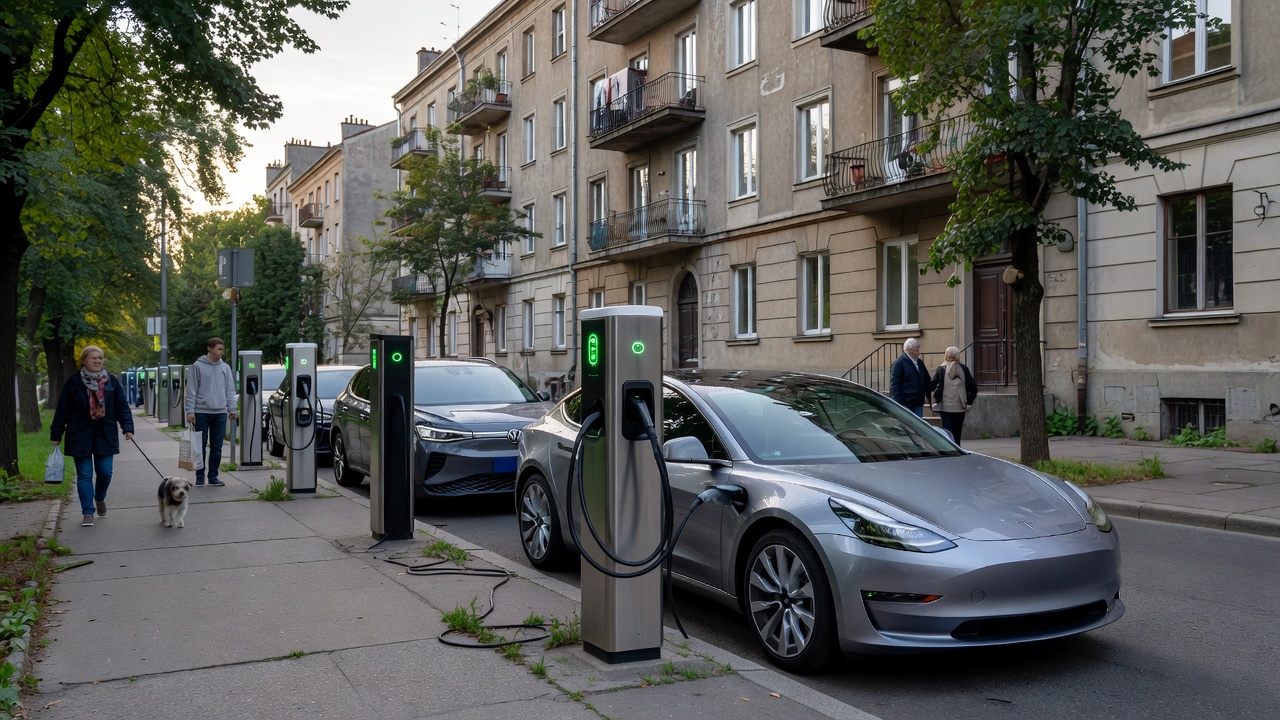
The Urban Laboratory in Warsaw has launched a pilot program examining electric vehicle charging hubs placed directly in residential neighborhoods. The initiative responds to rising EV adoption and limited public charging infrastructure across the capital. Three districts were chosen for the six-month trial based on population density and existing grid capacity.
Project Setup and Methodology
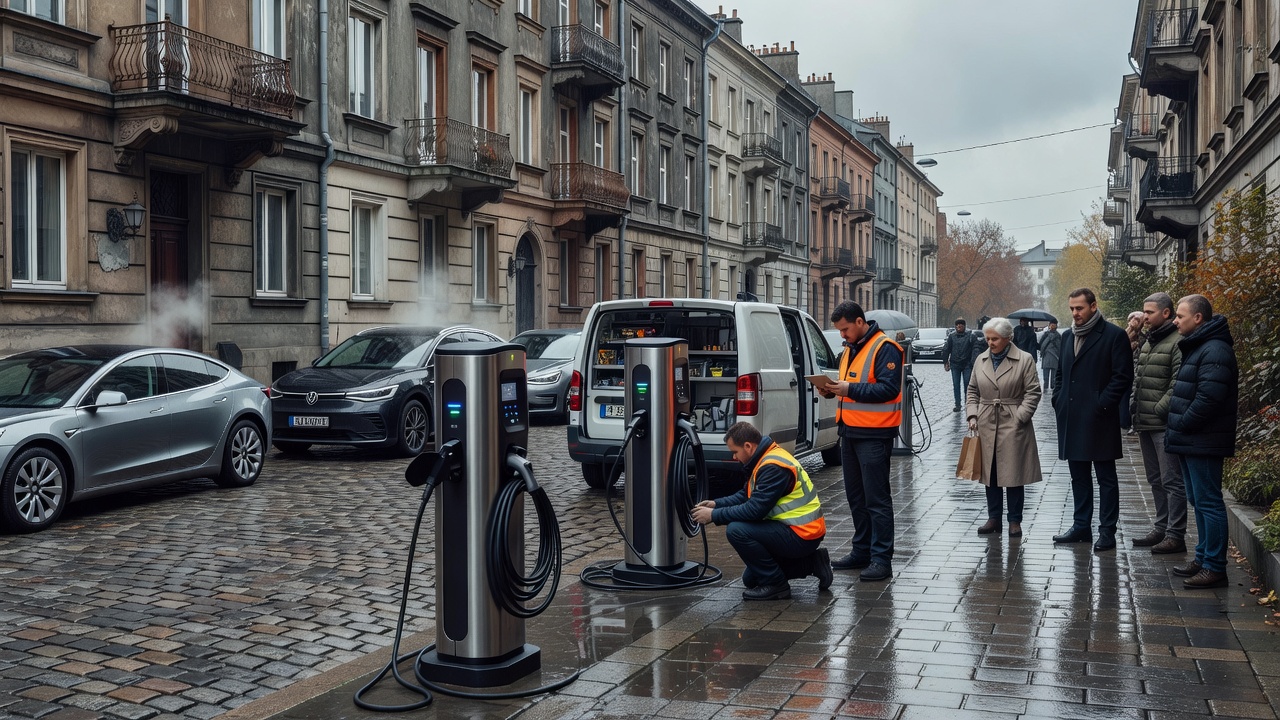
Researchers installed modular charging stations in Mokotów, Ursynów and Bielany, each equipped with eight fast chargers drawing from solar panels and battery storage. Usage data, peak demand patterns and resident surveys are collected daily through sensors and mobile applications. Energy consumption is compared against conventional petrol stations to quantify emission reductions. Safety protocols include 24-hour monitoring and automatic power throttling during grid stress. Collaboration with local utilities ensures compliance with national electrical standards while testing demand-response features that shift charging to off-peak hours.
Resident participation requires registration and payment via a dedicated app that also displays real-time availability. Initial recruitment targeted 400 households with registered EVs. Feedback sessions held bi-weekly gather insights on convenience, pricing fairness and noise levels. Parallel environmental monitoring tracks local air quality improvements and noise pollution changes near the hubs.
Early Results and Next Steps
After eight weeks, average daily utilization reached 68 percent of capacity, exceeding projections by 12 percent. Peak evening demand prompted temporary load balancing measures that prevented outages. Survey responses indicate 82 percent of users rate the hubs as convenient, though 35 percent request additional units within walking distance. Carbon emission savings are estimated at 48 tons of CO2 equivalent so far. Grid impact studies show a 9 percent increase in evening residential load, manageable with current infrastructure but requiring upgrades for city-wide rollout.
Findings will inform a policy report due in December recommending zoning adjustments and subsidy models. The laboratory plans to expand the trial to two additional districts next spring, incorporating vehicle-to-grid technology. Long-term goals include integration with Warsaw’s public transport electrification strategy to support broader sustainable mobility targets set by the city council.